

Short answer
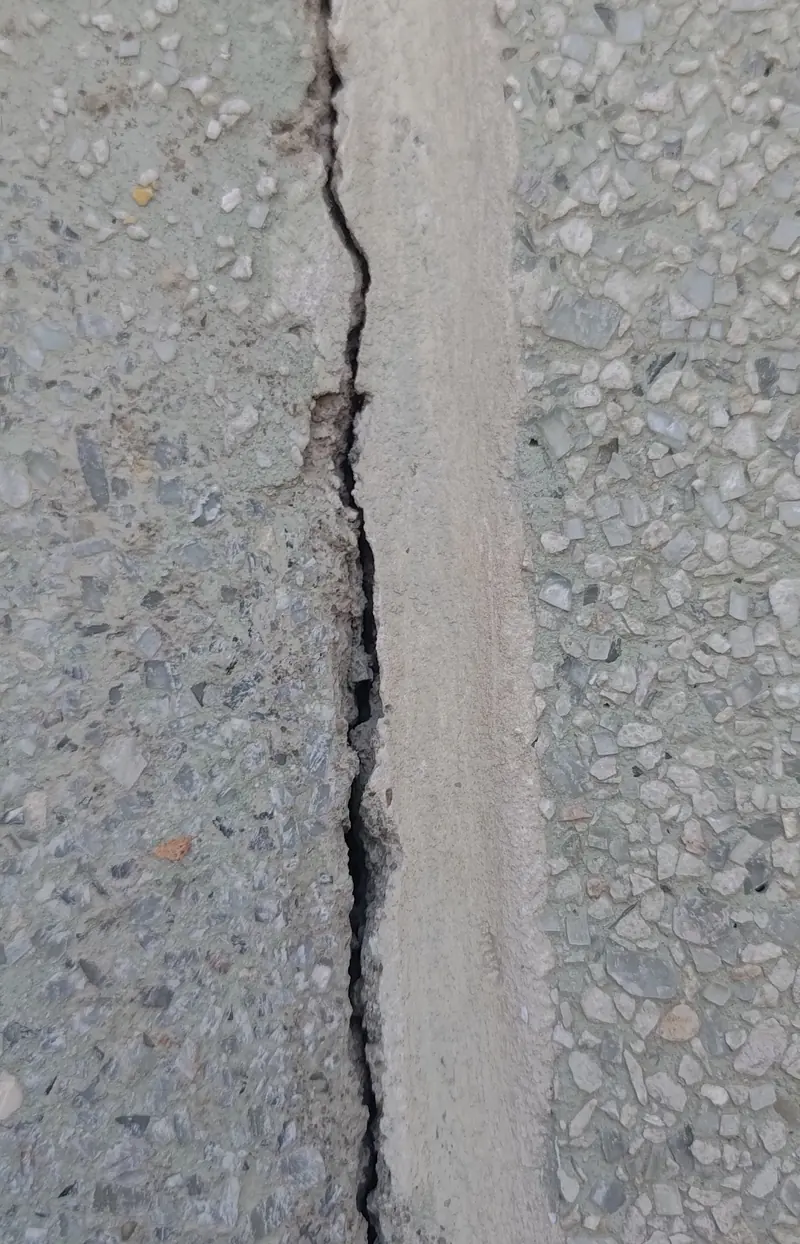
When stains appear above the skirting board, on several floors and always on the street side, the water does not usually come from the floor. It comes from above. It gets in at the cornices and parapets of the façade, which act as shelves, and runs down behind the finish until it meets the floor slab of each storey.

The symptom
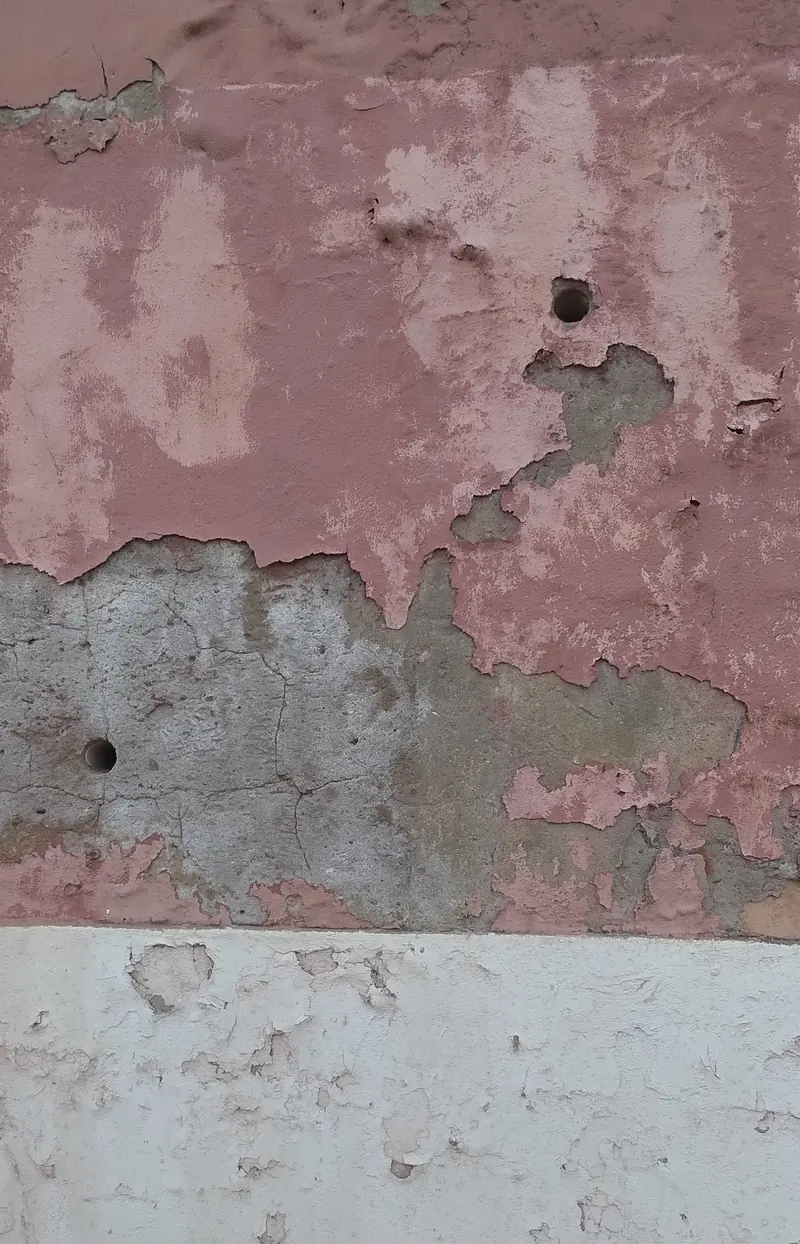
Stains and lifting paint just above the skirting. They return every winter, always on the same wall, the one facing the street. They show up on the second floor, the third, the fourth. You repaint the inside and next winter they are back.
Because the stain is low down, people think of damp rising from the ground. On a third floor, that is not possible.
What is happening
Many Lisbon buildings have horizontal cornices marking each floor. The top of those cornices is nearly flat. Rain sits there, as on a shelf. Over the years, fine cracks open where the cornice meets the wall. Water gets in, travels down inside and only shows when it meets an obstacle: the floor slab. That is why the stain appears at skirting level.
How to confirm it
- Compare elevations. If the rear façade, with no cornices, does not have the problem, that is a strong clue.
- Note when it appears. After rain with wind from one particular side, not in dry weather.
- Look at the cornice up close, from a window or with a drone: flat top, cracks at the junction, crazed paint.
- Map the cracks and measure moisture on the inside at several points.
How it is fixed
- Give the top of the cornice a fall, so water runs outwards.
- Form a drip edge, so water drops off instead of running down the wall.
- Apply a waterproof membrane over the cornice, in the cornice's own colour.
- Seal the cracks with elastic sealant.
- Apply a clear water repellent over the whole.
The building keeps its appearance. Only once the wall has dried does it make sense to repair and paint the inside of the apartments.
The common mistake
Painting over the façade, or painting only the inside. Both fix the colour for two winters. The water still has a way in.
What if it is on the ground floor?
There it may really be damp rising from the ground. You can recognise it by a continuous horizontal band at the same height on every wall, often with salts. The cause is different and so is the fix.
In a building with a condominium, this is a problem of the common parts. It is worth taking to the owners' meeting with the right questions.