


Home / Damp and leaks
Damp, salts and leaks: treating the cause
Anti-damp paint over a wet wall is a sticking plaster. We measure, find the source and propose what actually solves it, even when the answer is not paint.
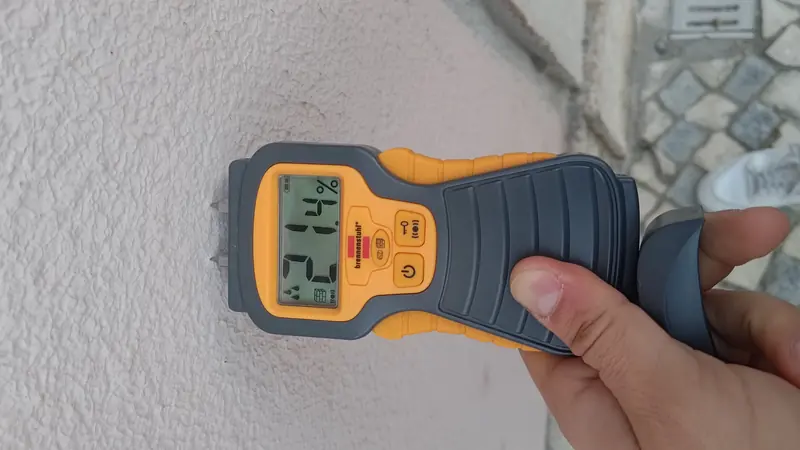
From symptom to cause
What the wall is telling you
The symptoms repeat from building to building. The cause is nearly always one of these.
| What you see | Most likely cause | What we do |
|---|---|---|
| Stains above the skirting, on the street side, every winter | Nearly flat cornices or parapets and fine cracks, where water gets in and runs down behind the finish | A fall and a drip edge on the cornice, cracks sealed, water repellent |
| White powder that keeps coming back (salitre) | Salts carried by moisture, crystallising at the surface | Salts removed dry, render made good, and a system that breathes |
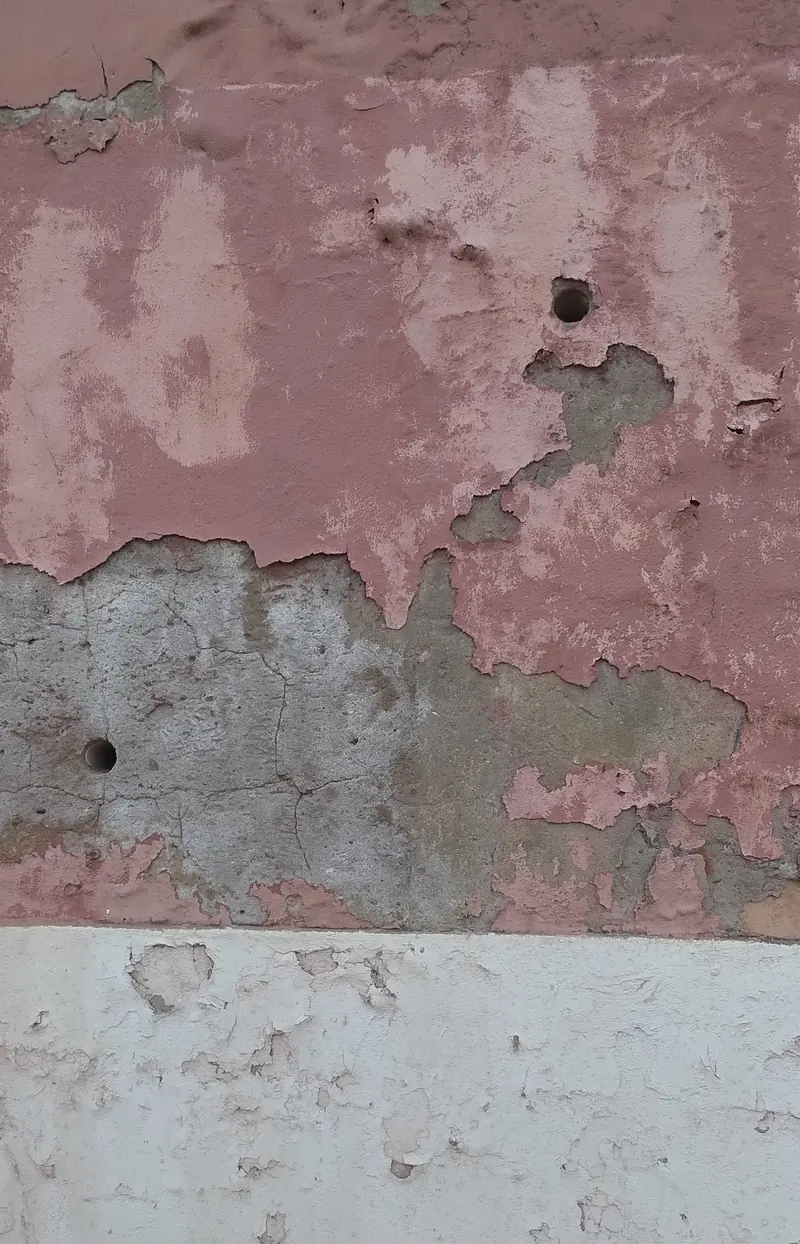
| Paint blistering or peeling | Moisture trapped behind an impermeable film | Remove, let it dry, and repaint with a vapour-permeable system |
| Mould in corners and behind furniture | Condensation: little ventilation and cold surfaces | Fungicidal treatment, a suitable paint and ventilation advice |
| Stain on the top-floor ceiling | Roof, terrace or expansion joint | Identify the source before any painting |
| Crack in a patio wall with soil against it | Pressure from wet soil and roots | Check whether the crack is moving, relieve the soil, drain, and only then repair |
The method
Five steps, always in the same order
Measure
Moisture readings noted down and dated photographs.
Stop the water
Close the path it is taking.
Dry
Weeks, not days. We confirm with the meter.
Clear
Salts removed dry, failed render and plaster taken off.
Finish
Only on a dry surface, with materials that let the wall breathe.
Plain speaking
When the answer is not paint
Sometimes the right job belongs to another trade: a roof, a pipe, a crack that is still moving. When that is the case we tell you, explain why and point you to who should look at it.
We would rather not do a job than paint over a problem.
If you still want a surface treatment only, we do it as what it is: a stopgap. It goes in writing in the quote, with the guarantee limited in those areas, so there are no misunderstandings later.
After a flood
Water damage repairs, in stages
Work after a flood is investigative by nature. A fixed price on day one would be a promise nobody can keep.
- Assess and dry firstSee how far the water went and give the materials time.
- Measure before closing upWe only repair and paint when the readings allow it.
- A quote in stagesEach area is priced once we know what is there.
- A written recordEverything documented as it appears, for you and for the insurer.
Waterproofing
We waterproof the parts of a façade where water usually gets in: cornices, parapets, sills, walls and joints. We use liquid membranes, elastic sealants and clear water repellents, which make the wall shed rain without closing it to vapour.
Questions about damp
Does anti-damp paint work?
Rarely. An impermeable paint on the inside traps moisture in the wall and blisters again. It works as a finish once the cause has been dealt with, not instead of it.
How long does a wall take to dry?
Weeks to months, depending on wall thickness and ventilation. We measure instead of guessing and only paint on a dry surface.
Can I wash the salts off with water?
Not as a first step. Water dissolves the salts and carries them back into the wall. Brush them off dry first, then treat.
Do you do roofs and terraces?
We treat the elements of the façade. Roofs and terraces usually belong to another trade. If that is your case, we will tell you at the visit.
From our guide
To understand where the water comes from
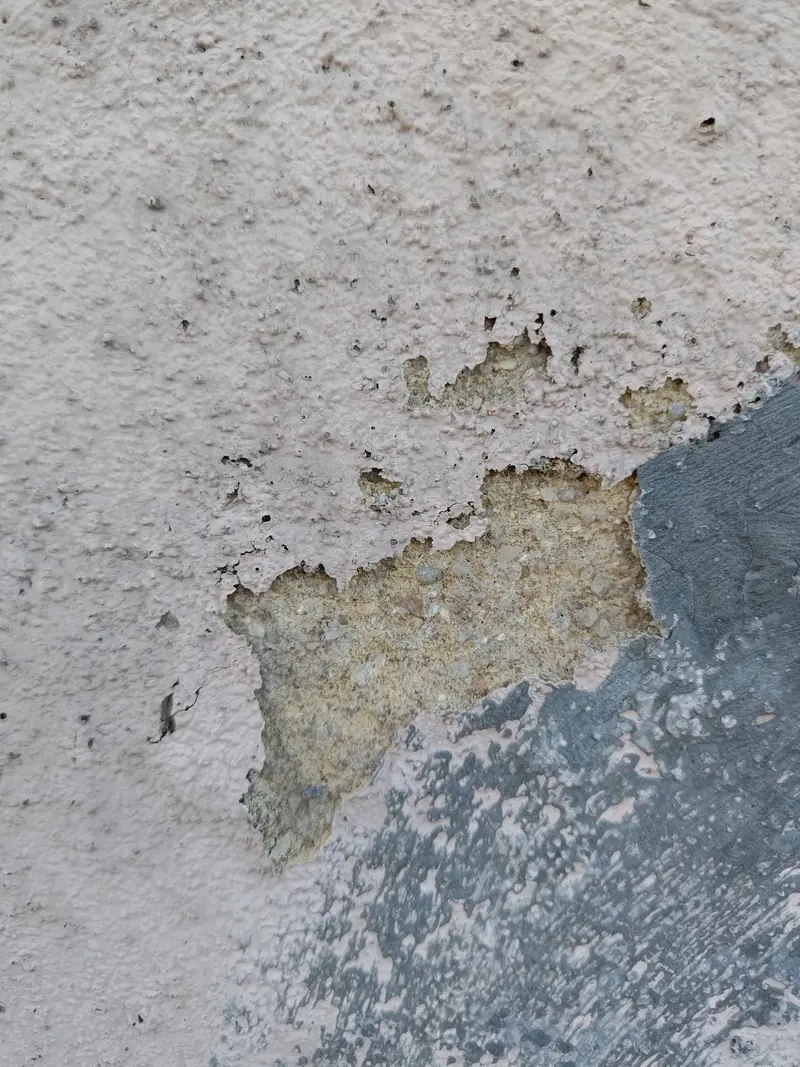
Salts on walls (salitre): what they are and how to treat them
Efflorescence (salitre) is the white powder left by salts that moisture brings to the surface. Paint does not fix it. What to do, and what never to do.
Read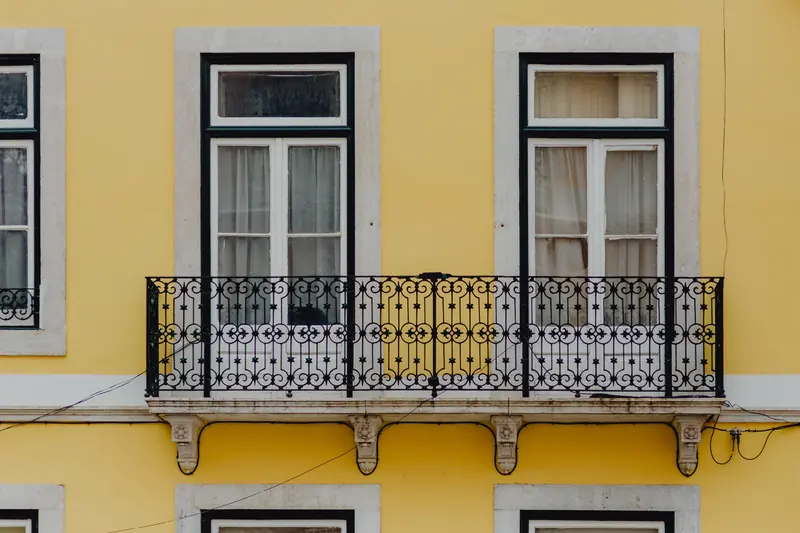
Damp stains above the skirting on the street side: where the water comes from
Damp stains above the skirting on the street side, on several floors, rarely come from the floor but from the façade cornices. How to confirm it and fix it.
ReadWhy exterior paint peels
Exterior paint nearly always peels because of moisture trapped in the wall. Where the water gets in, how to confirm it, and what to do in the right order.
ReadShow us the wall
Two photos and one sentence are enough to get started. We tell you what we think and book the visit.
Or call: +351 917 230 287