


Home / Mineral paint
Mineral silicate paint: the finish that lets the wall breathe
It does not form a film. It bonds chemically with the render, lets water vapour out and ages slowly, without peeling. It is the natural choice for Lisbon's old walls.
How it works
A paint that becomes part of the wall
An acrylic paint dries and forms a film on top of the wall, like a skin. A silicate paint reacts with the minerals in the render and becomes part of it. The process is called silicification.
The result is a mineral, microporous layer that lets water vapour through but stops the rain.
- Vapour permeable: moisture in the wall can get out.
- It does not peel, because there is no film to come off.
- Mineral pigments, stable in sunlight.
- Naturally alkaline, unfriendly to mould and algae.
- A deep matt, with no plastic sheen.
Comparison
Mineral or acrylic?
Neither is better at everything. The wall decides.
| Mineral silicate paint | Acrylic paint | |
|---|---|---|
| How it bonds | Reacts with the render and becomes part of it | Forms a film stuck to the surface |
| Water vapour | Passes freely | Partly held back |
| How it ages | Wears away slowly | Can blister and peel in sheets |
| Where it works best | Lime and cement renders, stone, concrete, old walls | Surfaces already painted with plastic paint, gypsum plaster, wood and metal |
| Appearance | Mineral matt, stable colours | Matt to satin, a very wide colour range |
| Application | Needs full masking and a trained hand | More forgiving |
Plainly
Where we use it and where we do not
- Façades with mineral renderLime, cement or mixed: the surface these paints were invented for.
- Old buildingsThick walls that have always exchanged moisture with the air and need to keep doing so.
- Interiors prone to dampBasements, ground floors and north-facing walls, once the cause has been dealt with.
- Not on gypsum without preparationGypsum plaster needs its own system. We tell you when acrylic is the right choice.
- Not on wood or metalThere we use enamels and primers suited to each material.
- Not on peeling paintWhat has lost its grip comes off first. No paint can hold on to a loose base.
The maker
Why we work with KEIM
KEIM has made silicate paints since 1878 and remains the reference. We use Soldalit on façades and Innostar indoors, following the manufacturer's data sheets.
On an exterior the sequence is always the same: biological treatment with its contact time, fixative on chalking areas, a diluted base coat and the finish.
The craft
The care these paints demand
A badly applied mineral paint looks worse than an acrylic one. That is why the hand matters.
- Full maskingSilicate splashes permanently etch glass, aluminium, stone and chrome.
- Whole sections in one goSilicate sets chemically and cannot be touched up. Each wall section starts and ends on the same day.
- Synthetic toolsThe high pH destroys natural bristle. Only synthetic brushes and rollers.
- A checked substrateMoisture measured and the old paint identified before choosing the system.
Questions about mineral paint
Is it more expensive than ordinary paint?
The material costs more per litre and application takes more care. In return, there is no film to peel and it tends to need maintenance later. In the proposal we show the difference so you can decide.
Can it go over old paint?
Over renders and mineral paints, yes. Over sound plastic paint, there are sol-silicate systems made for that. Over peeling paint, no: that comes off first.
Are there many colours?
The palette is large, with soft, earthy tones that look very good in Lisbon. Some very saturated colours do not exist in mineral form.
Does it work indoors?
Yes. It gives a beautiful matt and lets the wall breathe, which helps in rooms prone to damp.
From our guide
To go deeper
Mineral or acrylic paint: which to choose
Mineral silicate paint bonds with the render and lets the wall breathe. Acrylic forms a film. How to choose the right one for each wall.
Read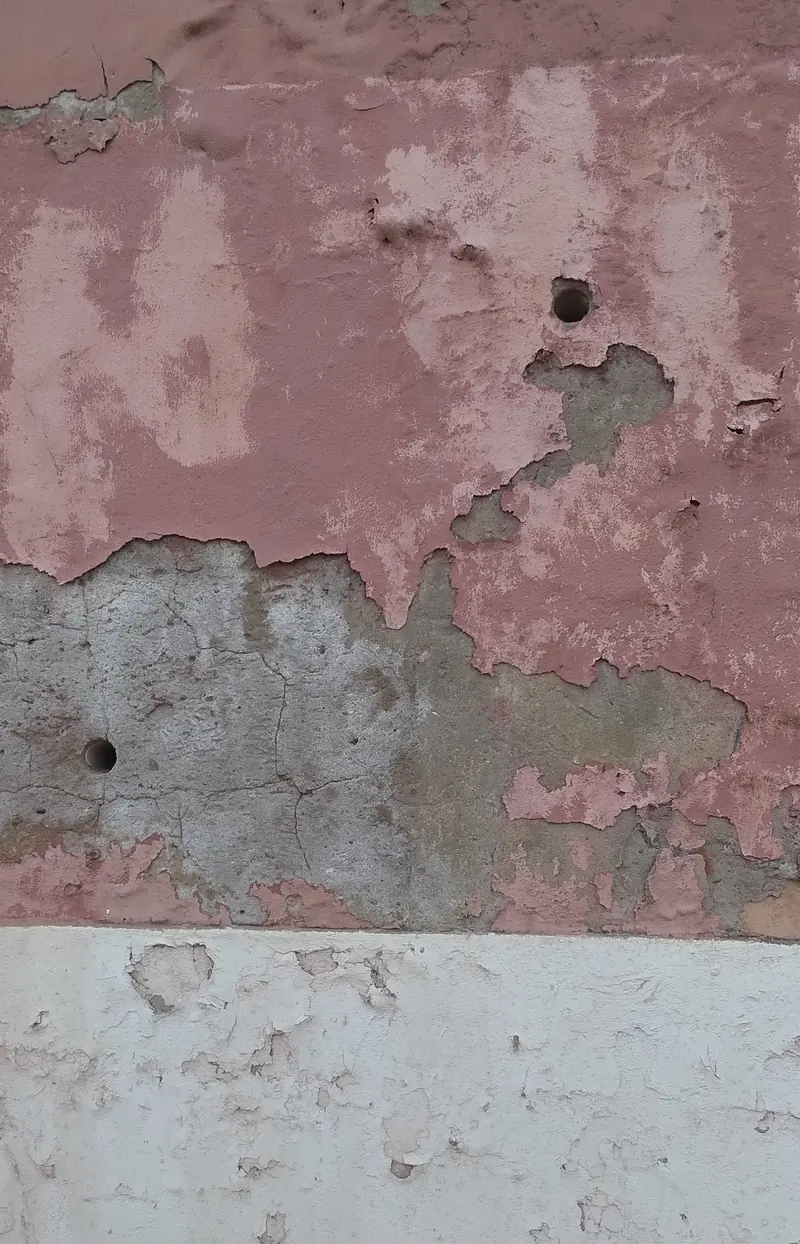
Why exterior paint peels
Exterior paint nearly always peels because of moisture trapped in the wall. Where the water gets in, how to confirm it, and what to do in the right order.
Read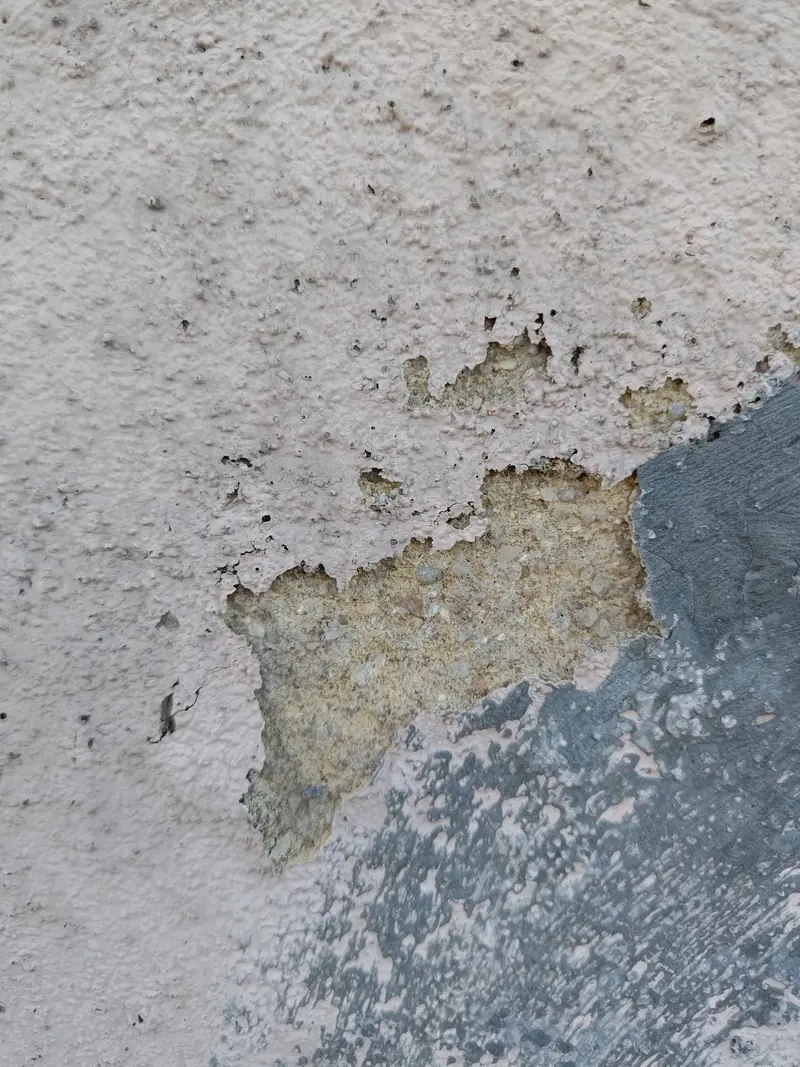
Salts on walls (salitre): what they are and how to treat them
Efflorescence (salitre) is the white powder left by salts that moisture brings to the surface. Paint does not fix it. What to do, and what never to do.
ReadShow us the wall
Two photos and one sentence are enough to get started. We tell you what we think and book the visit.
Or call: +351 917 230 287