

Short answer
On mineral render (lime or cement), on old walls and on walls with some moisture, mineral silicate paint is usually the better choice, because it lets vapour out and forms no film. On gypsum plaster, wood, metal or old plastic paint, acrylic is the right choice. The substrate decides, not the brand.

The difference in one sentence
Acrylic paint sits on top of the wall, like a skin. Mineral silicate paint reacts with the render and becomes part of it.
Side by side
| Mineral silicate paint | Acrylic paint | |
|---|---|---|
| How it bonds | Chemical reaction with the render (silicification) | A film stuck to the surface |
| Water vapour | Passes freely | Partly held back |
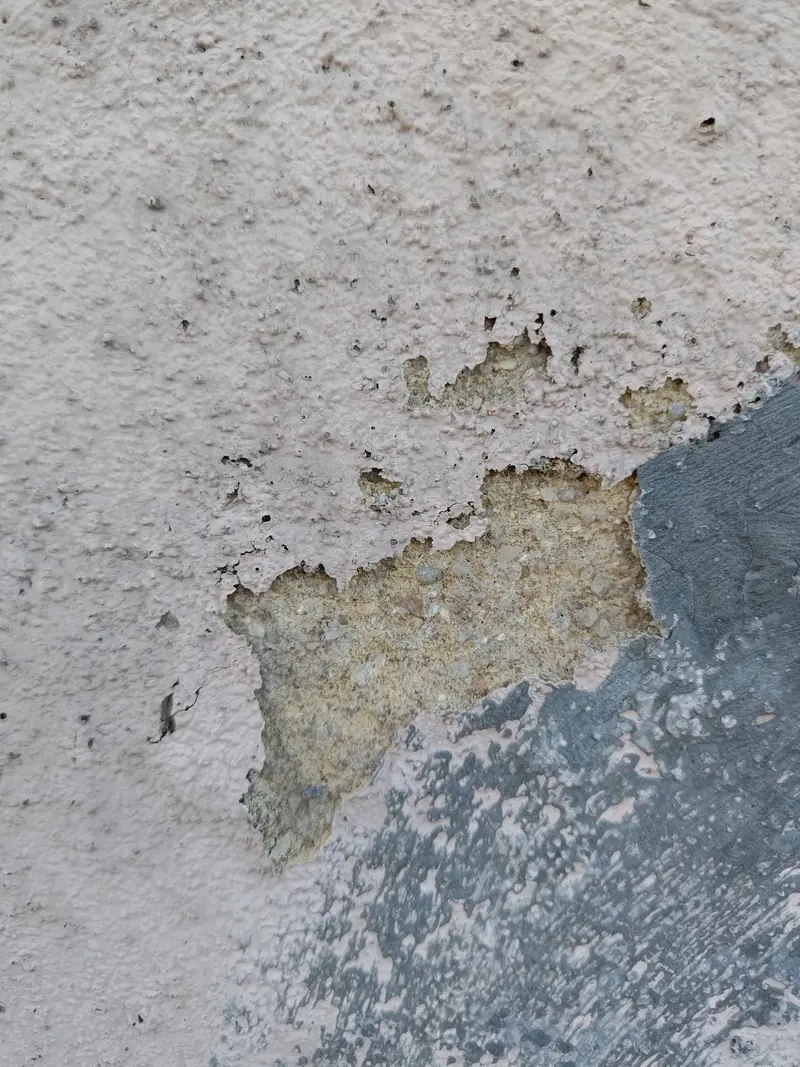
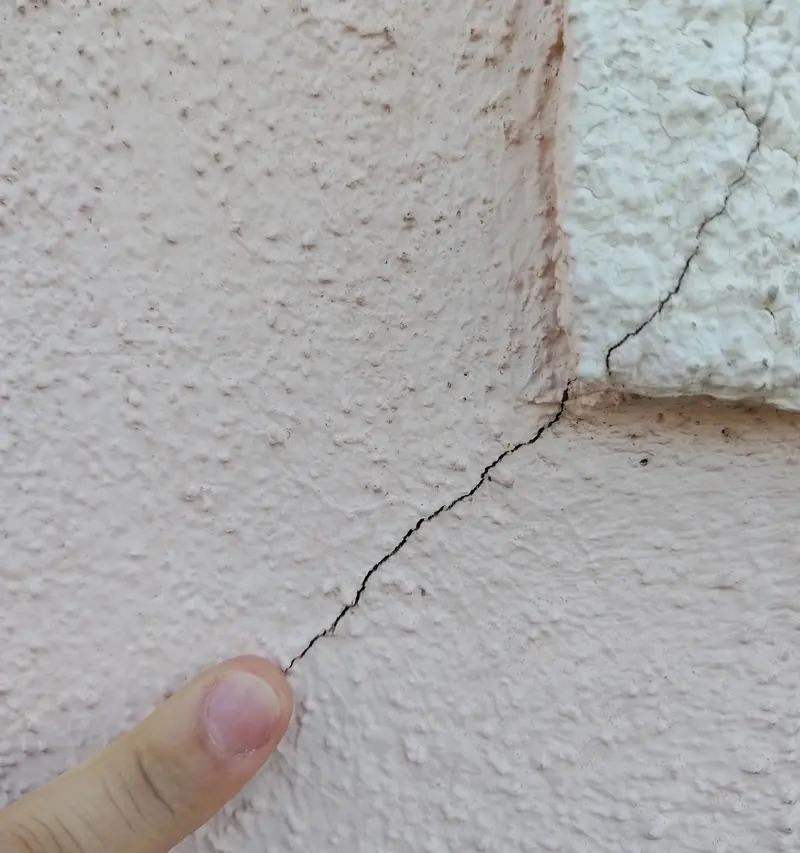
| How it ages | Wears slowly, without peeling | Can blister and come off in sheets |
| Colour | Mineral pigments, very stable in light | A very wide range, including vivid colours |
| Appearance | Deep matt | Matt to satin |
| Surfaces | Lime and cement renders, stone, concrete | Gypsum plaster, wood, metal, old plastic paint |
| Application | Demanding: full masking, complete sections | More forgiving |
How to tell what is on your wall
Three simple observations give a good clue:
- How the old paint fails. If it comes off in elastic sheets, it is plastic. If it turns to powder under your hand, it is lime or mineral.
- How it reacts to water. Wet a small area. A mineral or lime paint darkens and absorbs. On plastic paint, the water beads.
- The age of the building. In an old Lisbon building, under the modern paints there is nearly always a lime render.
Confirmation comes at the survey, with adhesion tests and, if needed, a small inspection window.
The practical rule
- Bare render or old mineral paint: mineral paint.
- Old plastic paint in good condition, well bonded: a quality acrylic, or a sol-silicate system made for repainting.
- Plastic paint that is peeling: remove it first, then decide. See why it peels.
- Gypsum plaster indoors: acrylic, unless specially prepared.
- Wood and metal: dedicated enamels and primers, never mineral paint.
What to ask whoever is painting your home
- What paint is on the wall now, and how did you confirm it?
- Why did you choose this system for this surface?
- What happens to the water vapour in the wall once it is painted?
Someone who knows the trade answers these three without hesitating. More on our work with mineral paints.